

 Facebook
 X
X
 Pinterest
 Copy Link
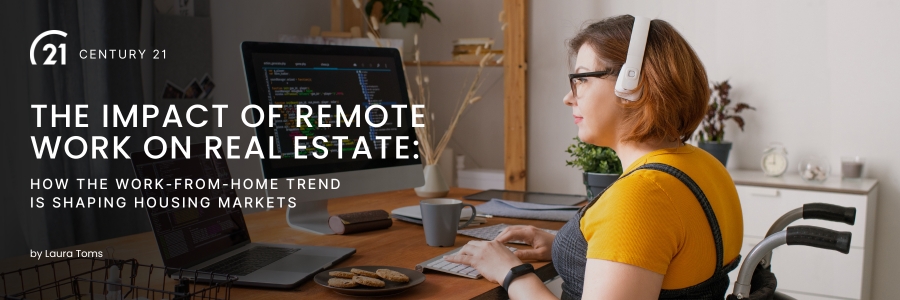
The rise of remote work, accelerated by technological advancements and global events, has not only transformed the way we work but is also reshaping the landscape of real estate markets worldwide. As more individuals embrace the flexibility of working from home, the housing preferences and demands for properties are undergoing a significant metamorphosis, triggering shifts in urban planning and real estate dynamics.
The Rise of Suburban and Rural Living:
The work-from-home trend has fueled a resurgence in suburban and rural living. With the daily commute becoming less of a priority, individuals and families are increasingly seeking larger homes with more outdoor space, often found in suburban and rural areas.
Home Offices and Flexible Spaces:
The need for dedicated home office spaces has become a key consideration for homebuyers and renters alike. Properties featuring adaptable spaces that can accommodate remote work needs are in high demand, influencing the design and layout of homes.
Emphasis on Quality of Life:
Remote work has allowed individuals to prioritize lifestyle and quality of life over proximity to traditional office spaces. As a result, areas with natural amenities, cultural attractions, and a strong sense of community are becoming more appealing.
Decline in Urban Rental Markets:
Urban rental markets, once booming with demand, are experiencing a slowdown as remote workers seek more affordable and spacious options outside city centers. This has prompted landlords and property developers to reevaluate urban housing strategies.
Technology Hubs and Digital Nomadism:
Regions with a strong technology infrastructure are emerging as hubs for remote workers, leading to the growth of digital nomad communities. Real estate markets in these areas are experiencing increased demand, as individuals prioritize access to high-speed internet and collaborative spaces.
Flexible Workspaces in Residential Areas:
Urban planners are rethinking the layout of residential areas and incorporating flexible workspaces within neighborhoods. This includes the integration of co-working spaces, communal offices, and technology hubs to support the evolving work-from-home landscape.
Transportation and Accessibility:
As the daily commute becomes less crucial, urban planning is focusing on enhancing accessibility within local neighborhoods. Walkability, bike-friendly infrastructure, and public spaces are gaining importance in urban development to cater to the changing needs of remote workers.
Adaptive Reuse of Commercial Spaces:
The decrease in demand for traditional office spaces has led to the adaptive reuse of commercial buildings. Urban planners are exploring ways to repurpose office spaces into residential units or mixed-use developments, revitalizing city centers.
Investment in Digital Infrastructure:
Cities are investing in digital infrastructure to accommodate the needs of a remote workforce. Access to high-speed internet has become a key factor in urban planning, ensuring that residents can seamlessly work from home.
The work-from-home trend is undeniably reshaping the real estate landscape. From changing housing preferences to shifts in urban planning, the impact is far-reaching. As we navigate this transformative period, real estate professionals, policymakers, and urban planners must adapt and innovate, ensuring that our communities remain resilient, sustainable, and supportive of the evolving needs of the modern workforce.


