

 Facebook
 X
X
 Pinterest
 Copy Link
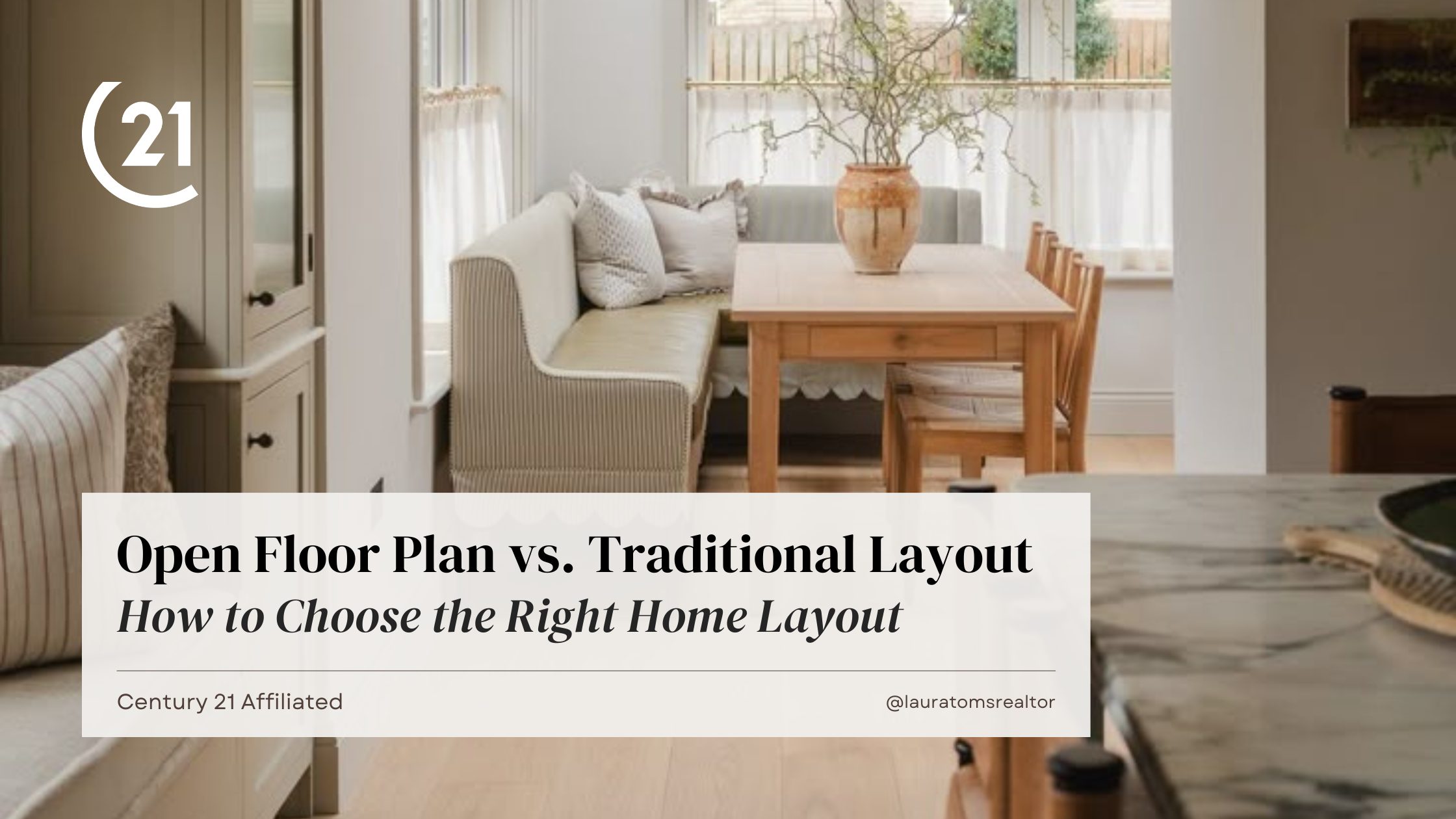
How to Choose the Right Home Layout for Your Lifestyle and Future Plans
When buying a home, most people focus on price, location, and size but one feature that often gets overlooked is the layout. The way a home is designed can affect how you live in it every single day.
In 2026, buyers are paying closer attention to how a home feels, not just how it looks. One of the biggest decisions comes down to this: open floor plan or traditional layout? Both styles have their advantages and drawbacks. The right choice depends on your daily routine, your family’s needs, and how you plan to use your space long-term.
Let’s take a deeper look at both options so you can make the best decision.
What Is an Open Floor Plan?
An open floor plan is designed with fewer walls, allowing main living spaces—like the kitchen, dining area, and living room—to connect into one large, open space. Instead of walking from room to room through doorways, everything flows together. This creates a more modern feel and makes the home seem larger than it actually is.
Many newer homes are built with this layout because of its popularity over the past several years. It’s especially common in newer subdivisions and recently renovated homes.
Why Buyers Love Open Floor Plans
One of the biggest reasons buyers are drawn to open floor plans is the sense of space and brightness they provide. Without walls blocking light, natural sunlight can spread throughout the home, making it feel more open, airy, and inviting. This is especially helpful during winters, when natural light can be limited.
Open layouts also make it easier to entertain. Instead of being separated in different rooms, guests can gather in one shared space. This allows the homeowner to cook, serve food, and socialize all at the same time without feeling cut off from the group. Another benefit is flexibility. Since there are fewer walls, you can arrange your furniture in different ways and use the space however you want. For example, part of the living area can become a workspace, play area, or reading corner depending on your needs.
Open floor plans are also helpful for families with young children. Parents can cook in the kitchen while still keeping an eye on kids playing or doing homework nearby, which adds convenience and peace of mind.
Downsides of Open Floor Plans
Even though open floor plans are popular, they are not perfect for everyone.
One of the most common challenges is noise. Without walls to block sound, everything travels—from conversations and TV noise to kitchen appliances. This can make the home feel loud, especially if multiple people are using the space at the same time. Privacy can also be limited. If someone needs a quiet place to work, study, or relax, it may be harder to find that space in a completely open layout. Another factor to consider is energy use. Larger, open spaces can be harder to heat in the winter and cool in the summer, which may lead to higher utility bills, something many homeowners notice during extreme weather.
Keeping the space clean and organized can also take more effort. Since everything is visible, clutter stands out more, and the entire area often needs to stay tidy to maintain a clean look.
What Is a Traditional Layout?
A traditional layout separates the home into individual rooms, each with its own purpose. The kitchen, dining room, and living room are all divided by walls and doorways.
This style is common in older homes and many established neighborhoods. While it may feel more classic, it offers structure and defined spaces that some buyers strongly prefer.
Why Buyers Still Choose Traditional Layouts
Traditional layouts are gaining attention again, especially as lifestyles continue to change.
One of the biggest advantages is privacy. Separate rooms allow different household members to do different activities without interrupting each other. For example, one person can watch TV while another works or studies in a quiet room. Traditional layouts are especially helpful for people who work from home. Having a dedicated office space with a door can improve focus and productivity, which has become more important in recent years. Noise control is another major benefit. Walls help block sound, making the home feel quieter and more comfortable, especially for larger households.
Some buyers also prefer the structure that traditional layouts provide. Each room has a clear purpose, which can make decorating easier and help the home feel more organized.
Downsides of Traditional Layouts
While traditional layouts offer privacy and structure, they can sometimes feel more closed off.
Walls can make spaces seem smaller, even if the total square footage is the same as an open floor plan. This can make the home feel less spacious overall. Natural light may also be limited. Since rooms are separated, sunlight may not reach every part of the home, which can make certain areas feel darker.
For entertaining, traditional layouts can feel less connected. Guests may gather in separate rooms, which can make it harder to create a shared, social atmosphere.
What Buyers Prefer in 2026
Today’s buyers are not always choosing one layout over the other. Instead, many are looking for a combination of both.
In 2026, there is a growing demand for hybrid layouts that offer open main living areas while still providing private spaces when needed.
For example, buyers may want an open kitchen and living room for entertaining, but also prefer having a separate office, den, or flex room where they can work or relax quietly. Some homes now include partial walls, sliding doors, or defined zones that create separation without fully closing off spaces. This balanced approach works well for modern lifestyles. It allows homeowners to enjoy openness and connection while still having the option for privacy and quiet.
Homes that offer both features are often the most attractive to a wide range of buyers.
Which Layout Is Better for You?
Choosing the right layout comes down to how you live your daily life.
If you enjoy hosting gatherings, prefer bright and open spaces, and like a modern feel, an open floor plan may be the better fit for you. On the other hand, if you work from home, value quiet time, or prefer having clearly defined spaces, a traditional layout might be more comfortable.
It’s also important to think about your future. Your needs today may not be the same in a few years. A flexible layout that can adapt over time may be the best long-term choice.
How Layout Affects Resale Value
The layout of your home can also impact its resale value in the future.
Open floor plans are still widely popular and often appeal to a large group of buyers. However, as preferences shift, homes that offer both open and private spaces are becoming more desirable. Buyers are looking for homes that match modern lifestyles, especially with more people working remotely and spending more time at home.
A home with a flexible layout can attract more buyers, sell faster, and potentially receive stronger offers.
Why Local Market Knowledge Matters
While design trends are important, local market conditions also play a big role.
Different neighborhoods offer different types of homes. Some areas have more traditional layouts, while newer developments tend to feature open designs. Buyer preferences can also vary depending on price range and location. What works in one neighborhood may not be as appealing in another. Working with a local realtor can help you understand what buyers are currently looking for. This insight can help you choose a home that not only fits your needs but also holds strong value over time.
Choosing the Right Layout for Your Life
There is no one “perfect” layout for everyone. Open floor plans offer space, light, and flexibility. Traditional layouts provide privacy, structure, and quiet. Both have clear benefits, and both can be great choices depending on your lifestyle. The key is to think about how you live every day and what will make your home feel comfortable, functional, and enjoyable. If you are planning to buy a home, working with a knowledgeable local realtor can help you compare options, understand market trends, and find a home that truly fits your needs.
The best layout is not just the one that looks good—it’s the one that works best for your life now and in the future.


