

 Facebook
 X
 Pinterest
 Copy Link
Home Repairs to Handle This Fall
Fall is the perfect time to prepare your home for the colder months ahead. As temperatures drop and winter gets closer, taking care of small repairs now can help you avoid bigger problems later. From checking your roof and cleaning your gutters to protecting your pipes and preparing your heating system, a little fall home maintenance can help keep your home comfortable and reduce the risk of damage.
For Michigan homeowners, preparing before the first hard freeze is especially important. Snow, ice, freezing temperatures, and strong winds can put extra stress on your home. You do not have to complete every repair in one weekend. Start with the most important tasks, make a plan, and work through your fall home maintenance checklist before winter arrives.
Here are the key fall home repairs to handle before winter to help protect your home and prepare for the season ahead.
-
Inspect Your Roof and Clean Your Gutters
Your roof and gutters work together to protect your home from rain, snow, and melting ice. If either one has a problem, water may enter your home or collect in places where it can cause damage.
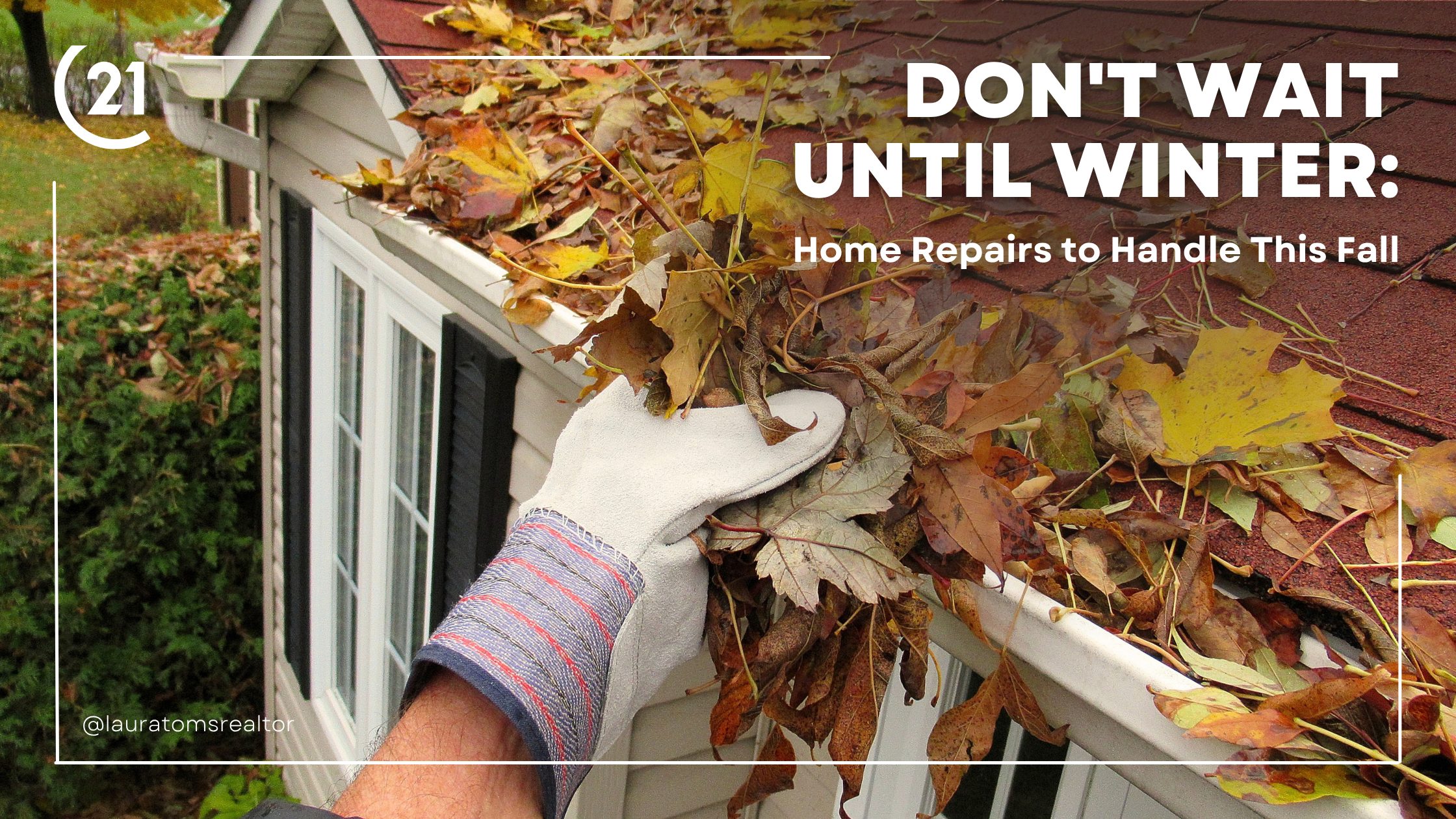
Check your roof from the ground for missing or damaged shingles and visible damage around vents or chimneys. Inside your home, look for water stains on ceilings, damp spots in the attic, or peeling paint that could point to a leak. Next, clean your gutters and downspouts. Leaves, twigs, and other debris can block water from draining properly. Overflowing gutters may allow water to collect near your home’s foundation or contribute to ice buildup during freezing weather.
Make sure downspouts direct water away from your foundation. Clogged gutters can also contribute to ice dams, which form when melting snow refreezes near the roof’s edge and may cause water to back up beneath roofing materials. Cleaning your gutters alone cannot prevent every ice dam, but it is an important part of winter preparation. If you notice roof damage or recurring leaks, contact a qualified roofing professional.
-
Seal Drafts and Inspect Windows and Doors
Cold air entering through gaps around windows and doors can make your home uncomfortable and cause your heating system to work harder. Check the weatherstripping around exterior doors and windows. If it is cracked, loose, or worn out, replacing it may help create a tighter seal. You can also look for small gaps around frames and other exterior openings. Depending on the location, suitable caulk or weatherstripping may help close these gaps. Follow product instructions and avoid blocking areas that need ventilation.
While checking for drafts, look for cracked window glass, damaged frames, loose hardware, and signs of water around the edges. These problems may require more than simple sealing. You do not always need to replace an entire window or door to improve comfort. Sometimes, a small repair is enough. However, damaged frames or recurring leaks may need professional attention.
-
Schedule a Heating System Tune-Up
When winter arrives, you want your heating system to work properly. Fall is a good time to have your furnace, boiler, or other heating equipment inspected by a qualified technician. A professional can check the equipment, look for signs of wear, and identify problems that may affect its performance or safety. Scheduling service early may also help you avoid waiting for repairs during a cold spell.
You can take a few simple steps yourself. Test your thermostat, replace its batteries if needed, and change your furnace filter according to the manufacturer’s instructions. A dirty filter can restrict airflow and make your system work harder.
Pay attention to unusual noises, poor heating, or unfamiliar smells. Contact a qualified professional if you notice anything unusual. If you use a fireplace or wood stove, arrange for the appropriate inspection and cleaning before using it regularly.
-
Protect Your Pipes From Freezing
Frozen pipes are a major concern during a Michigan winter. When water freezes inside a pipe, it expands and can cause the pipe to crack or burst. When the ice melts, water may leak into walls, ceilings, and floors. Check pipes in areas that may get very cold, such as crawl spaces, unfinished basements, attics, garages, and areas near exterior walls. If pipes are exposed to freezing temperatures, suitable insulation may help protect them. Also check for gaps that allow cold air to reach plumbing lines, and seal appropriate openings safely.
Outdoor plumbing needs attention, too. Disconnect garden hoses, drain them, and store them away. If your home has an indoor shutoff valve for an outdoor faucet, turn it off and drain the line according to the system’s instructions. If you have a sprinkler or irrigation system, follow its winterizing requirements. Many systems need to be drained or professionally cleared of water to reduce the risk of freeze damage.
It is also important to know where your home’s main water shutoff valve is located. If a pipe bursts, turning off the water quickly can help limit damage. If you suspect a pipe has frozen, contact a plumber. Never use an open flame to thaw a pipe.
-
Check Your Attic Insulation and Ventilation
Your attic plays an important role in keeping your home comfortable during winter. If your attic does not have enough insulation, heat may escape through the roof. This can make your heating system work harder and may contribute to uneven temperatures inside your home. Poor attic ventilation and moisture problems can also contribute to ice dams under certain conditions.
Look for signs that your attic may need attention, such as damp insulation, visible mold, frost, or evidence of water leaks. These signs can have different causes, so it is important to identify the problem before making repairs.
Insulation and ventilation work together. Adding insulation without considering proper airflow and moisture control may not solve the issue. If your home has recurring ice dams, roof leaks, or attic moisture, ask a qualified roofing or insulation professional to assess the situation.
-
Inspect Your Exterior, Foundation, and Drainage
Your home’s siding, exterior walls, and foundation help protect the structure from rain, wind, and changing temperatures. Fall is a good time to check these areas for damage. Walk around your property and look for loose siding, cracked exterior surfaces, peeling paint, damaged caulking, soft wood, or gaps around exterior openings. Address problems that could allow water to enter your home.
Next, check the ground around your foundation. Water should drain away from the house rather than collect beside it. Make sure downspouts direct water away from the foundation and that drainage areas are clear. Inside your basement, look for damp spots, water stains, peeling paint, musty smells, or cracks that appear to be changing.
Not every foundation crack means there is a serious structural problem. However, widening cracks, recurring water intrusion, or uneven floors deserve professional attention. If you find damaged siding, signs of water entering the walls, or ongoing basement moisture, contact a qualified contractor to identify the cause and recommend suitable repairs.
-
Inspect Your Fireplace and Test Safety Alarms
If you plan to use your fireplace or wood stove this winter, make sure it is ready before the first cold evening. Chimneys can collect soot, creosote, leaves, and other debris. Animals may also create blockages. These problems can affect how smoke leaves your home and increase the risk of a chimney fire or carbon monoxide exposure. Have your fireplace and chimney inspected and cleaned by a qualified professional when needed, especially if you use them regularly or have not had them checked recently.
Smoke alarms and carbon monoxide alarms are just as important. Test them according to the manufacturer’s instructions, replace batteries when needed, and check the recommended replacement dates for the devices. Carbon monoxide is an invisible, odorless gas, so you cannot depend on smell to detect it. Never ignore a carbon monoxide alarm. Move outside to fresh air and contact emergency services according to the alarm’s instructions and local guidance.
-
Repair Steps, Walkways, Decks, and Railings
Wet leaves, rain, snow, and ice can make outdoor surfaces slippery. Fall is a good time to check the areas you use to enter and leave your home. Inspect your front steps, porch, deck, driveway, and walkways for cracks, loose boards, damaged steps, or uneven surfaces. Check railings to make sure they are secure.
Look for soft wood, protruding nails, and other signs of damage on decks and porches. Some repairs and protective coatings require specific temperatures and dry conditions, so check product instructions before starting an outdoor project late in the season.
For fences, check for loose posts, broken boards, and gates that do not close properly. Also look for dead branches, cracked limbs, or trees that appear damaged. Snow, ice, and strong winds may cause weak branches to break and damage your home or nearby property.
For large trees or branches that could fall on your home, consider hiring a qualified tree service. Never attempt to trim branches near power lines yourself.
-
Check Your Garage Door, Dryer Vent, and Exhaust Fans
A few less noticeable maintenance tasks can also help prepare your home for winter. Check that your garage door opens and closes properly. Inspect the weather seal along the bottom and the weatherstripping around exterior doors. Damaged seals can allow drafts, moisture, and debris to enter.
Garage doors can be heavy, and their springs and cables may be under high tension. Contact a trained technician if you notice a problem with these parts. Next, check your dryer vent. Lint buildup can slow drying and create a fire hazard. Clean the areas you can safely access according to the appliance manufacturer’s instructions, and make sure the exterior vent opening is clear. Bathroom exhaust fans also help remove moisture, which is especially important when windows stay closed during cold weather. Clean the fan cover and check that the fan works properly.
-
Prepare Outdoor Equipment for Winter
As the weather gets colder, equipment used during warmer months may need cleaning, maintenance, or storage. For central air conditioning, remove leaves and debris from around the outdoor unit. Follow the manufacturer’s instructions for winter care. Some systems do not need a cover, while others may benefit from specific protection. Avoid covering a unit in a way that traps moisture or interferes with its operation.
If you have outdoor pumps, irrigation controls, or other equipment that could be damaged by freezing temperatures, check the manufacturer’s winterizing instructions. It is also a good time to prepare snow-removal equipment. If you use a snow blower, check its condition and follow the manufacturer’s maintenance instructions before you need it. Store fuel and other hazardous materials safely, away from heat sources and out of children’s reach.
-
Review Your Home’s Energy Use
Fall is a useful time to look for ways to make your home more comfortable and manage heating costs. Start with simple steps, such as replacing dirty air filters, sealing suitable drafts, and checking that your thermostat works properly. If some rooms are much colder than others, the problem may involve airflow, insulation, windows, or another part of the heating system.
You may also want to check attic and basement insulation. A qualified energy auditor or insulation professional can help identify improvements that make sense for your home. Not every energy upgrade needs to happen immediately. Address safety concerns, active leaks, and major heating problems first. Then plan other improvements based on your budget and your home’s needs.
-
Make a Fall Home Repair Budget
Not every repair needs to be completed at once, and not every homeowner has the same budget. Start by making a list of the repairs and maintenance tasks your home needs. Then sort them by urgency. Problems that affect safety, allow water into the home, or could cause serious damage should usually come first. These may include roof leaks, heating problems, and pipes at risk of freezing.
Next, plan repairs that improve comfort or help prevent future damage, such as replacing worn weatherstripping or improving drainage. Less urgent cosmetic projects can wait until time and budget allow.
For larger jobs, get estimates, ask what is included, and check the contractor’s qualifications. If a project requires special tools, training, or work at a dangerous height, hiring a professional may be the safer choice.
Your Fall Home Maintenance Checklist
Use this checklist to keep track of important tasks before winter arrives.
- Inspect the roof for visible damage.
- Clean gutters and downspouts.
- Check for drafts and damaged windows or doors.
- Schedule a heating system inspection.
- Replace the furnace filter as recommended.
- Protect exposed pipes from freezing.
- Disconnect and drain garden hoses.
- Winterize outdoor faucets and sprinkler systems.
- Check attic insulation and ventilation if needed.
- Inspect siding, foundation, and basement for damage or moisture.
- Have the fireplace and chimney checked when needed.
- Test smoke and carbon monoxide alarms.
- Inspect steps, walkways, decks, and railings.
- Look for dangerous tree branches.
- Clean the dryer vent and check exhaust fans.
- Prepare outdoor equipment for colder weather.
- Make a plan and budget for remaining repairs.
You can work through this checklist over several weekends or hire professionals to help with tasks you cannot safely complete yourself.
When Should You Start Fall Home Repairs?
The best time to prepare your home for winter is before freezing temperatures become common. In Michigan, homeowners can use September, October, and early November to work through seasonal maintenance, depending on the weather and the type of repair.
Some tasks, such as cleaning gutters, checking the heating system, and disconnecting garden hoses, should be completed before freezing weather arrives. Other projects, such as exterior painting or certain repairs, may require warmer and drier conditions. Always check product requirements and contractor recommendations before scheduling outdoor work.
If you need a major repair, do not wait until the last minute to request an estimate. Contractors may have busy schedules, and some projects take longer than expected.
Start with the tasks that protect your home from water, freezing temperatures, and safety risks. Then move on to the remaining projects as time and budget allow.
Why Fall Home Maintenance Matters
Regular home maintenance can help you spot small problems before they become bigger concerns.
Clearing blocked gutters helps water drain properly. Repairing a roof leak can help prevent further water damage. Protecting exposed pipes can reduce the risk of frozen plumbing, while checking your heating system helps you prepare for colder days.
These steps cannot prevent every problem, but they can reduce avoidable risks and help you understand your home’s condition. Keeping records of completed repairs, service visits, warranties, and major improvements can also help you track maintenance and provide useful information if you decide to sell your home in the future.
Thinking About Selling Your Home? Keep Maintenance in Mind
If you plan to sell your home in the coming months, fall is a useful time to review its condition. Buyers may notice visible maintenance issues, such as roof damage, water stains, drafty windows, damaged steps, or signs of poor drainage.
Taking care of important repairs can help your home look well maintained and may reduce the number of issues that need attention during the selling process.
You do not have to complete every possible upgrade before listing. Focus on necessary repairs, safety concerns, and problems that could affect the home’s condition. Your real estate professional can help you consider which improvements make sense for your home and selling plans.
Keep receipts, warranties, and service records for completed work. These documents can help you answer questions about your home’s maintenance history. Remember that repairs do not guarantee a higher selling price. The right approach depends on the home’s condition, your budget, and current market conditions.
Prepare Your Home Before Winter Arrives
Winter can be hard on a home, but a little preparation in fall can help you get ahead of common seasonal problems.
Start with the areas that protect your home from water and freezing temperatures. Inspect your roof, clean your gutters, prepare your heating system, protect your pipes, and take care of safety concerns. Then work through the remaining tasks at a pace that fits your schedule and budget.
You do not have to fix everything in one day. What matters is knowing what needs attention and taking action before winter weather makes the job harder. Don’t wait until winter to care for your home. A few smart fall home maintenance steps today can help you head into the colder months feeling more prepared.


