

 Facebook
 X
X
 Pinterest
 Copy Link
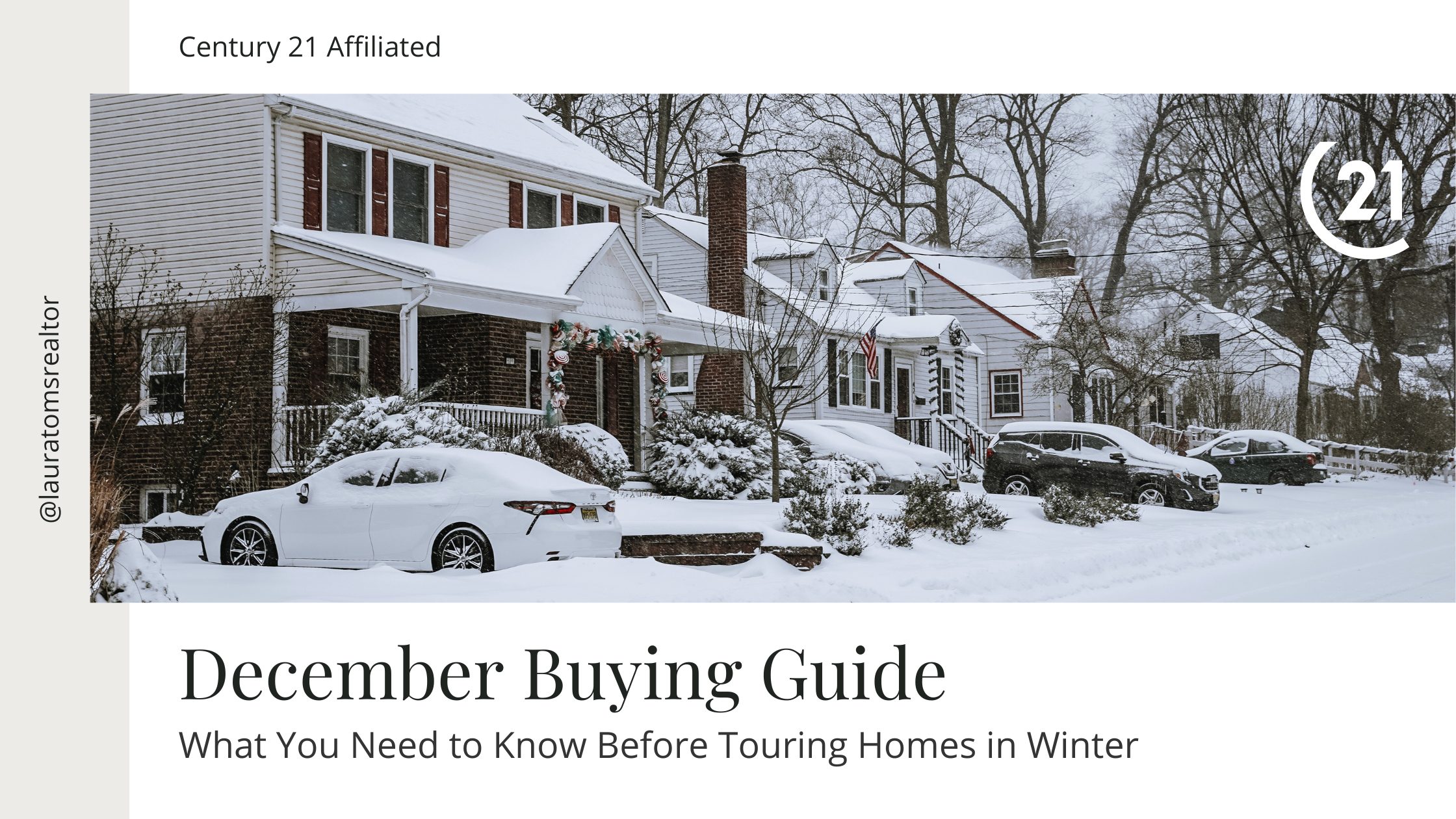
Buying a home in December might sound tricky at first. Cold weather, snow, icy sidewalks, and shorter days can make house hunting feel harder than in spring or summer. But here’s the good news: December can actually be a smart time to tour homes and even buy one.
Winter tours show you how a home really performs during the coldest months. You’ll learn things you might never notice in warmer seasons. This guide will walk you through exactly what to look for, what to ask, and how to stay comfortable and confident while touring homes in winter.
Let’s break it all down step by step.
Why December Home Tours Are Different (and Helpful)
When you tour a home in December, you’re seeing it under real winter conditions. This can help you spot problems early and avoid surprises later.
Winter tours help you:
- See how warm the home stays
- Check for drafts, leaks, or ice problems
- Learn how well the heating system works
- Notice safety issues like slippery steps or poor lighting
- Understand winter maintenance needs
Instead of guessing how the home handles cold weather, you get to experience it firsthand.
Tip 1: Pay Close Attention to Heating and Warmth
One of the most important things to check during a winter tour is how warm and comfortable the home feels.
Check the Furnace and Heating System
Ask how old the furnace is and when it was last serviced. A newer, well-maintained furnace is a big plus.
While touring:
- Notice if rooms feel evenly warm
- Check if some rooms feel colder than others
- Listen for loud or strange noises from the furnace
- Ask what type of heating system the home uses (gas, electric, boiler)
If the home feels cold during a showing, that could be a red flag.
Feel for Drafts
Stand near windows and doors. If you feel cold air coming in, the home may need new seals or weather stripping.
Drafty homes can mean:
- Higher heating bills
- Less comfort
- Possible future repair costs
Winter is the best time to notice these issues.
Tip 2: Inspect Windows and Doors Carefully
Windows and doors play a huge role in keeping a home warm.
Look for Condensation or Frost
Check window corners and frames for moisture, fogging, or ice buildup. This can mean:
- Poor insulation
- Old or damaged windows
- Heat escaping from the home
Good windows help keep heating costs lower and make the home more comfortable.
Test Doors for Proper Seals
Open and close exterior doors. They should:
- Close tightly
- Not let in cold air
- Have solid weather stripping
Small gaps can turn into big energy losses during winter.
Tip 3: Don’t Skip the Exterior—Even in Snow
Snow can hide problems, but you should still take time to look outside.
Check the Roof (As Much As You Can)
Even if the roof is covered in snow, look for:
- Icicles hanging from the roof edge (could mean poor insulation)
- Uneven snow melting (a sign of heat loss)
- Sagging areas
Ask how old the roof is and if there have been any leaks.
Look at Gutters and Drainage
Winter snow melts during warmer days. Poor drainage can lead to ice buildup or water damage.
Check for:
- Gutters pulling away from the house
- Ice dams along roof edges
- Water pooling near the foundation
Good drainage protects the home year-round.
Tip 4: Watch for Signs of Moisture or Water Damage
Winter moisture can cause serious problems if a home isn’t protected well.
Check Basements and Crawl Spaces
Basements are especially important in Southeast Michigan.
Look for:
- Damp smells
- Water stains on walls or floors
- Cracks in foundation walls
- Sump pumps and whether they work
Ask if the basement has ever flooded and how water is managed during snowmelt.
Look at Ceilings and Walls
Stains or discoloration can mean:
- Roof leaks
- Ice dam damage
- Poor insulation
Winter leaks often show up when snow melts and refreezes.
Tip 5: Notice How the Home Feels Overall
Winter tours are a great time to judge comfort.
Lighting Matters More in December
With shorter days, lighting becomes very important.
Check:
- If rooms feel bright or dark
- Where lights are placed
- If hallways and stairs are well-lit
A well-lit home feels safer and more welcoming during winter evenings.
Listen for Noise
Winter is quieter outside, making indoor noises easier to hear.
Notice:
- Furnace noise
- Creaking floors
- Sounds from outside traffic
- Wind noises near windows
These details can affect daily comfort.
Tip 6: Ask Smart Winter-Specific Questions
Winter buyers should ask questions that matter most during cold months.
Good questions include:
- What are the average winter heating costs?
- Has the home had ice dam issues before?
- How often is snow removal needed?
- Are there any winter maintenance tasks the owner handles regularly?
- Has the home ever had frozen pipes?
These answers help you plan future expenses and maintenance.
Tip 7: Check Safety Features for Winter Conditions
Winter weather can create safety risks.
Walkways and Driveways
Look at:
- Slopes that could ice over
- Cracked steps
- Handrails on stairs
- Lighting near entrances
Safe access matters when snow and ice are part of daily life.
Garage and Entry Areas
Garages are especially useful in winter.
Check:
- If the garage stays warm enough
- Easy access into the house
- Space for coats, boots, and snow gear
A functional entryway makes winter life much easier.
Tip 8: Understand Winter Timing and Motivation
December sellers are often very motivated.
Why sellers list in December:
- Job relocations
- Year-end deadlines
- Wanting to avoid another winter
- Life changes
This can mean:
- Less competition from other buyers
- More flexible negotiations
- Faster responses
- Potentially quicker closings
Touring in December puts you in a strong position as a buyer.
Tip 9: Be Prepared for Weather During Tours
Winter tours require a little planning.
Helpful tips:
- Wear boots you can easily remove
- Dress in layers
- Bring gloves and a warm coat
- Expect some snow or slush
- Allow extra driving time between showings
Being prepared helps you stay focused on the home, not the cold.
December Tours Can Be a Big Advantage
Touring homes in December gives you a real look at how a home handles winters. You’ll see warmth, comfort, safety, and efficiency in action—not just in photos.
With fewer buyers, motivated sellers, and real-world winter conditions, December can be one of the smartest times to tour homes.
The key is knowing what to look for and asking the right questions. With the right guidance and preparation, winter home tours can help you find a home that’s comfortable, reliable, and ready for every season.
If you’re thinking about buying this winter, working with a knowledgeable local realtor can help you navigate winter tours, understand what matters most, and feel confident every step of the way.


