

 Facebook
 X
X
 Pinterest
 Copy Link
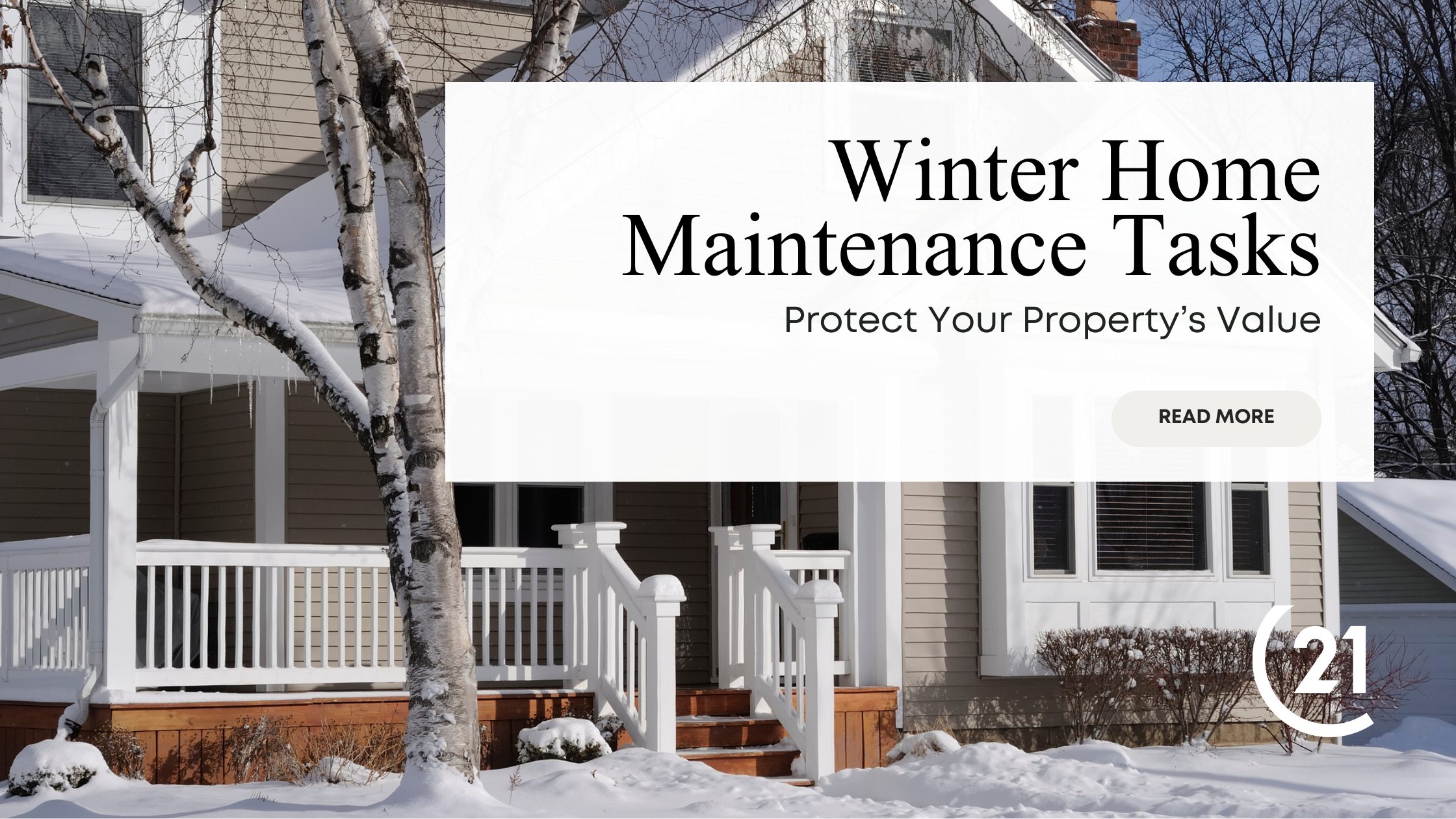
Winter in Southeast Michigan can be tough on homes. Freezing temperatures, snow, ice, and strong winds can slowly cause damage if your property isn’t prepared. Many homeowners think about maintenance only when they plan to sell but winter home care matters even if you plan to stay for years.
Taking care of your home during winter helps you:
- Avoid expensive repairs later
- Keep your home safe and comfortable
- Protect and even increase your home’s value over time
Clean and Check Your Gutters
Gutters may not be exciting, but they are one of the most important parts of winter home maintenance.
Why Gutters Matter in Winter
They move water away from your home
Gutters collect rain and melting snow from your roof and guide it safely away from your siding and foundation. When water isn’t directed away properly, it can soak into areas that should stay dry and cause long-term damage.
Clogged gutters cause ice dams
Leaves and debris can block gutters, trapping water. During winter, that water freezes and creates ice dams along the roof edge. Ice dams force melting snow back under your shingles, which can lead to roof leaks, ceiling stains, and damaged insulation.
Water damage lowers home value
Moisture problems often lead to mold, rotting wood, peeling paint, and foundation issues. These are major red flags for buyers and appraisers during inspections.
What to Do
Remove leaves and debris
Clean gutters allow water to flow freely instead of freezing in place, reducing ice buildup and roof damage.
Check downspouts
Make sure downspouts direct water several feet away from your foundation. Water pooling near your home can seep into basements or crawl spaces during freeze-and-thaw cycles.
Secure loose sections
Tightly attached gutters handle heavy snow and ice better. Loose sections can pull away from the house and stop working properly.
Inspect Your Roof Before Heavy Snow
Your roof is your home’s first line of defense against winter weather especially in Michigan, where snow can pile up fast.
What to Look For
Missing or damaged shingles
Even small gaps can allow water to enter once snow melts, leading to damage inside your home.
Cracked or loose flashing
Flashing seals areas around chimneys, vents, and skylights. When it’s damaged, leaks can form quickly.
Sagging or uneven areas
These spots may point to trapped moisture or structural issues that should be addressed early.
Why This Protects Your Home
Snow adds weight to your roof, and melting snow can turn tiny cracks into serious leaks. Fixing small issues now costs far less than repairing ceilings, insulation, and walls later. A strong roof keeps your home dry, warm, and valuable.
Service Your Furnace or Heating System
Your furnace works nonstop during winter, so regular maintenance is essential.
Why Furnace Maintenance Matters
Prevents winter breakdowns
Heating systems often fail on the coldest days. Preventive maintenance reduces emergency repairs.
Keeps energy bills lower
A clean, tuned system runs more efficiently and uses less energy.
Improves home safety
Inspections help detect gas leaks, cracked heat exchangers, and carbon monoxide risks.
Winter Furnace Checklist
Schedule a professional tune-up
A licensed technician ensures your system runs safely and efficiently.
Change air filters regularly
Dirty filters block airflow and reduce indoor air quality.
Keep vents clear
Blocked vents cause uneven heating and force the system to work harder.
Seal Windows and Doors to Stop Drafts
Drafts make rooms uncomfortable and raise heating costs.
Signs Your Home Has Drafts
- Cold air near windows or doors
- Rooms that never stay warm
- Higher winter utility bills
Easy Fixes That Help
Weatherstripping
Seals gaps around doors and windows to keep cold air out.
Caulking small cracks
Keeps warm air in and moisture out, protecting walls and frames.
Draft blockers
Simple tools that stop cold air from entering under doors.
Well-sealed homes feel warmer and cost less to heat.
Protect Pipes From Freezing
Frozen pipes are one of the most expensive winter problems homeowners face.
Why Pipes Freeze
- Pipes near exterior walls
- Unheated basements or crawl spaces
- Garages with plumbing
How to Prevent Problems
Insulate exposed pipes
Helps keep water flowing during extreme cold.
Open cabinet doors
Allows warm air to reach pipes under sinks.
Let faucets drip slightly
Moving water is less likely to freeze.
Keep heat on when traveling
Even a low temperature can prevent frozen pipes.
Burst pipes can cause flooding, drywall damage, and mold—prevention is always cheaper.
Check Attic Insulation and Ventilation
Your attic plays a major role in heating efficiency and roof health.
Why This Matters
Poor insulation causes heat loss
Warm air escapes through the attic, making your furnace work harder.
Heat buildup causes ice dams
Uneven roof temperatures melt snow too fast, leading to refreezing at the edges.
Moisture leads to mold
Proper ventilation keeps moisture from building up.
What to Look For
- Even insulation coverage
- No moisture or mold
- Clear ventilation paths
Keep Walkways Clear and Safe
Winter safety protects both people and property.
Why This Is Important
Slippery sidewalks and steps increase fall risks. Homeowners may be responsible for injuries if walkways aren’t maintained.
What to Do
Shovel regularly
Prevents ice buildup.
Use salt or ice melt
Improves traction.
Check railings and steps
Loose parts are especially dangerous in winter.
A safe home shows responsibility and care.
Inspect Your Basement and Foundation
Cold weather can reveal hidden problems.
What to Check
- Cracks in foundation walls
- Water stains or damp areas
- Musty smells
Why This Protects Value
Foundation issues worry buyers and can delay sales. Early repairs are usually easier and less expensive.
Test Smoke and Carbon Monoxide Detectors
Winter increases indoor safety risks.
Why This Is Critical
Heating systems produce gases, and homes stay closed up longer in winter.
What to Do
- Test detectors monthly
- Replace batteries regularly
- Install detectors on every level
Safety upgrades protect lives and reassure buyers.
Watch Energy Use and Heating Costs
Winter energy bills can rise quickly.
Simple Ways to Save
Lower the thermostat slightly
Even one degree can reduce heating costs.
Use ceiling fans
Push warm air down from the ceiling.
Close curtains at night
Helps keep heat inside.
Energy-efficient homes are cheaper to live in and more attractive long-term.
How Winter Maintenance Protects Property Value
Homes that are well-maintained during winter:
- Appraise higher
- Sell faster
- Have fewer inspection surprises
Buyers and appraisers notice consistent care even years later.
Small Winter Steps Make a Big Difference
Winter home maintenance doesn’t have to be overwhelming. Small, consistent efforts protect your comfort, safety, and investment.
Whether you plan to sell soon or stay long-term, caring for your home during Michigan winters is one of the smartest moves you can make. A knowledgeable local realtor can also help you understand which maintenance tasks matter most for resale value so every effort works in your favor.


